
Posted by Rainbow on Jun 11th 2026
Top Regional Issues That Threaten Your Customer’s Oak Trees
Technology is transforming every industry—and tree care is no exception. But can artificial intelligence truly replace the expertise of human arborists? Or is “Arborist Intelligence” still essential in the age of automation?
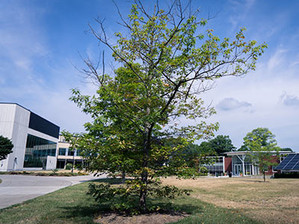
Drought-Stressed Red Oak Leading to Secondary Pest Damage
Oak trees rarely die from a single problem. Instead, cumulative stressors such as drought, root restriction, and underlying factors weaken defenses, making trees vulnerable to secondary pests and diseases. Unchecked, these issues accelerate decline, often leading to costly removals prematurely. Fortunately, proper care can break this cycle and keep your customers’ oak trees healthy for years.
In this post, we’ll cover the top threats to oaks this summer, outline the regions most affected, and provide identification tips, reasons for concern, and actions you can take to protect your clients’ valuable trees.
Drought Stress
Drought stress is a major driver of oak decline nationwide. While oaks can withstand short dry periods, prolonged droughts can overwhelm their defenses. Symptoms include wilting or scorched leaves (mostly at the edges), premature leaf drop, sparse canopies, twig dieback, and, over time, greater vulnerability to pests and diseases. Trees in compacted soils, on shallow sites, or with turf competition are especially at risk. Oaks may take years to recover from drought, so proactive management—such as mulching, supplemental irrigation, and plant growth regulators—can make a critical difference in survival.
Regions Affected: Tristate, Mid-Atlantic, Northeast, Carolinas, Georgia, Florida, Gulf States, Texas, Heartland, Eastern Great Lakes, Western Great Lakes, Front Range, Pacific Northwest, Northern California, Southern California
Action Steps:
- Cambistat®: Apply as soil drench for drought resilience.
- Mulch + Irrigate: Maintain consistent soil moisture.
Spongy Moth
The spongy moth (formerly gypsy moth) is a notorious defoliator that can strip oaks of their leaves in a matter of weeks. The caterpillars are distinctive, with hairy bodies with blue and red dots along their backs. After feeding, they leave bare branches and brown, skeletonized leaves that greatly reduce a tree’s ability to photosynthesize. Severe, repeated defoliation weakens trees, inviting secondary pests and diseases, and can lead to branch dieback or death after several years of outbreak. Homeowners should look for egg masses on bark and foliage from late summer through winter, as removal can curb populations. Early intervention with soil injections or foliar sprays is essential to halt damage and preserve canopy health.
Regions Affected: Northeast, Tristate, Western Great Lakes
Action Steps:
- Timing: Start at 90 GDD (feeding continues to 507 GDD).
- Lepitect®: Soil injection or infusion; fast uptake.
- Mectinite®: Fall tree injection to control caterpillars the following Spring!
- Diamid T&O: Foliar sprays beginning at 90 GDD.
Obscure Scale
Obscure scale insects appear as small, gray-brown bumps on trunks and branches, often mistaken for bark irregularities. These scales feed by bursting cells, causing twig dieback, yellowing leaves, canopy thinning, and overall tree decline. Heavy infestations can girdle branches and kill portions of the canopy. Because they blend in well, infestations often go unnoticed until trees show significant symptoms. Look for clusters of scales on lower branches . Routine monitoring and timely systemic treatments are essential to halt spread and protect tree vitality.
Regions Affected: Mid-Atlantic, Carolinas, Georgia, Texas, Heartland, Tri-State
Action Steps:
- Timing: Treat crawler stage (~1450–1925 GDD).
- Transtect®: Quick uptake systemic.
- Proxite™: Insect growth regulator for resistance management.
Aphids
Aphids are tiny, soft-bodied—green, yellow, or black—insects that cluster on the undersides of oak leaves and young shoots. Their feeding produces sticky honeydew, which encourages black sooty mold and may cause leaf curling, yellowing, or premature drop. While healthy oaks tolerate small populations, heavy infestations can weaken trees over time, attract ants, and invite more pests or diseases. Watch for leaf discoloration, sticky residue, and black mold. Systemic treatments and growth regulators are effective for fast control, especially during warm, humid conditions.
Regions Affected: Gulf States, Florida, Texas, Pacific Northwest, Southern California (all regions if need be)
Action Steps:
- Lepitect®: Fast systemic soil injection.
- Xytect®: Extended control via soil drench or injection.
Kermes Scale
Kermes scale looks like tiny brown or tan balls (sometimes mistaken for oak galls) at the base of twigs and branches. They feed on sap and excrete honeydew, causing dieback, yellow leaves, and stunted new growth. Repeated infestations can significantly thin the canopy and reduce vigor. If you see sticky leaves or ants, check for these small, round scales at twig junctions. Early detection and timely trunk sprays or systemic treatments prevent long-term damage.
Regions Affected: Gulf States, Florida, Front Range
Action Steps:
- Transtect®: Trunk spray application during early-stage nymph feeding.
- Proxite™: Combine for integrated control; apply as crawlers emerge in early fall.
Oak Wilt
Oak wilt is one of the most serious threats to oaks, and certain insects—primarily sap beetles—play a major role in spreading the deadly fungus from infected wood to healthy trees. Red oaks are especially vulnerable, often dying within weeks of infection, while live and white oaks decline more slowly. Symptoms include sudden leaf wilting, browning, and rapid canopy loss starting at the top of the tree and progressing downward. To help prevent spread, avoid pruning oaks during beetle activity (spring and early summer), promptly remove and destroy infected trees, and consider root trenching to prevent underground transmission. Aggressive management and prevention are vital to stop this rapid decline.
Regions Affected: Texas, Eastern Great Lakes, Western Great Lakes, Tri-State
Action Steps:
- Alamo®: Macro-infusion for prevention/therapy (repeat every 24 months).
- Trench Roots: Disrupt root graft connections.
- Sanitation: Remove infected red oaks promptly.
Mediterranean Oak Borer
The Mediterranean oak borer, a recently introduced small Ambrosia beetle, tunnels into trunks and branches, disrupting water flow and causing rapid dieback in western oaks—especially Garry/Oregon white oak, valley oaks and coast live oaks. Look for tiny round exit holes, sawdust-like frass, and weeping dark stains on the bark. Branches may die back quickly, and woodpeckers may feed on beetle larvae. Early detection and trunk injections are essential to limit damage, as infested trees may die within a few years.
Regions Affected: Northern California, Pacific Northwest
Action Steps:
- Proactive Monitoring: Detect early infestation.
- Systemics: Trunk injection applications of Mectinite + Alamo are a promising treatment recommendation.
Tussock Moth & California Oak Worm
Tussock moth and California oak worm are two of the most damaging West Coast caterpillar pests. Tussock moth caterpillars, with distinctive tufts of hair, can severely defoliate trees in spring. California oak worm larvae, which are greenish, feed in waves, often causing multiple defoliations per year. Healthy oaks usually recover, but repeated heavy feeding reduces vigor and susceptibility to other pests. Look for chewed leaves, visible caterpillars, and frass beneath affected trees. Early larval treatments help preserve canopy health.
Regions Affected: Northern California
Action Steps:
- Lepitect®: Soil injection early in larval stages.
- Diamid T&O: Use where accessible for fast knockdown.
Bacterial Leaf Scorch (BLS)
Bacterial leaf scorch (BLS) is a chronic, incurable disease caused by the bacterium Xylella fastidiosa. This bacterium blocks water conduction in oaks, causing progressive leaf scorch, marginal browning, and premature drop. Early symptoms often resemble drought stress, but BLS typically returns year after year, and affected branches die back over time. The canopy gradually thins, and trees may succumb after several seasons. BLS spreads via xylem-feeding insects like leafhoppers and spittlebugs. While incurable, symptoms may be managed with cultural practices to reduce water stress and tree injections to suppress the bacterium and pests.
Chronic bacterial disease causes leaf scorch, canopy thinning, and decline in oaks and other hardwoods; no cure, but symptoms can be suppressed.
Regions Affected: Tristate, MidAtlantic, Northeast, Carolinas, Georgia, Texas, Heartland, Gulf states
Action Steps:
- Bacastat®: Inject after full leaf expansion, repeat annually.
- Cambistat®: Reduce water stress; apply every 3 years.
- Xytect® / Transtect®: Reduce insect vectors and prevent secondary pests (e.g., two-lined chestnut borer).
Protecting Oaks for the Future
Oak trees are a cherished part of many landscapes, but their longevity and beauty depend on active monitoring and timely intervention. Pests can quickly overwhelm even the healthiest specimen, especially when combined with environmental stressors. By learning to identify key threats and acting early, you can protect your customers’ investments and preserve the ecological and aesthetic value of oaks for generations.